Tiering draft
From the service description, AI suggests a GxP impact tier (trial conduct, GxP data processor, GxP computer system, facilities, low impact) and the matching pack: questionnaire depth, audit vs. desktop, review cycle.
Services / Vendor qualification
Vendor qualificationVendor qualification is a file you can hand an inspector: questionnaire, quality agreement, audit or desktop review, CAPAs, certificates, and the last periodic review. CliniGene uses AI to inventory what arrived, map answers to your SOP and Part 11/Annex 11 expectations, and flag contradictions. The qualification decision is always a person.

Qualification often dies in email. A questionnaire is sent, a PDF comes back, someone files it, and two years later an inspector asks how you know the vendor’s Part 11 controls still match what you accepted. The file has a certificate that expired and a quality agreement that never named audit rights.
High-impact vendors (CRO conducting the trial, lab producing primary endpoints, cloud hosting eTMF) need a different depth than a low-impact translation shop. Without tiers, everything is either a 200-question burden or a rubber stamp.
AI is good at reading long questionnaires, SOC 2 / ISO packs, and last year’s audit report at the same time. It is not allowed to “approve” a vendor.
An inspector picks a CRO or a cloud eTMF and asks for the qualification decision, the agreement (audit rights, data return), and the last periodic review. That should be one folder, not an email search.
Vendor management, QA, procurement, and clinical operations overseeing CROs, central labs, IRT, EDC, eTMF, safety, and SaaS GxP suppliers.
On vendor work, AI inventories the pack, maps answers to your SOP and Part 11/Annex 11, and lists contradictions. Your QA procedure names who may approve, condition, or reject. AI drafts maps, flags, first-pass language, and punch lists. A named specialist accepts, edits, or dismisses every official finding. AI does not sign a quality record, approve a vendor, freeze Vault, or speak in an inspection.
Questions on fit? hello@clini-gene.com or the contact form.
Start when a sponsor QA audit will sample vendor files, when a new CRO or eTMF SaaS is being selected, or when certificates and quality agreements have drifted for two years.
A portfolio cleanup should be phased by inspection date and GxP impact — not one 200-question blast to every translator and every CRO.
Each layer has a human gate. AI does not write the official quality record.
From the service description, AI suggests a GxP impact tier (trial conduct, GxP data processor, GxP computer system, facilities, low impact) and the matching pack: questionnaire depth, audit vs. desktop, review cycle.
What arrived vs. what the SOP requires for that tier. Missing DPA, missing validation summary, missing org chart for the quality unit — listed before anyone writes a report.
Each questionnaire answer and certificate claim is mapped to your SOP and to Part 11/Annex 11 / data-integrity expectations. Vague answers (“we are secure”) are quoted so QA can send a precise follow-up.
SOC 2 says one hosting region; the questionnaire says another. Last audit CAPA still open; the new questionnaire says no open CAPAs. AI lists the pair; the reviewer asks.
High-tier: agenda built from the gaps. Desktop: report body drafted. Findings and classification are written by the auditor / QA.
KPIs, review cadence, and what triggers for-cause review. Periodic review re-reads new certs and tickets against last year’s file.
Send the study, Vault, vendor, or inspection window. We will say what we need and what a first pass looks like.
What they do on this trial or in this QMS, including known subcontractors.
Workshop using your SOP. AI may suggest; you lock the tier so the rest of the file is consistent.
Questionnaire, QA draft, DPA, validation/assurance summary, certs, org/quality contacts.
AI gap list + control map. QA sends one consolidated query list, not a week of scattered emails.
Desktop or on-site/remote audit. We prepare; your qualified auditor (or ours if engaged as such) issues findings.
Redline roles, deviations, CAPA, audit rights, data return, subcontracting notice. Legal and QA both see it.
Approve, conditional (with dated conditions), or reject. Conditions become tracked CAPAs in your system.
KPI pack and a calendar. On review, AI diffs new evidence; you decide whether the tier or approval still holds.
Setting. Typical: 15–40 GxP vendors on a late-phase program, mix of CRO, lab, IRT, eTMF SaaS; files incomplete before a sponsor QA audit.
What we do. Tier the list, rebuild packs, AI-map questionnaires, issue query lists, draft two desktop reports and one audit agenda, redline three quality agreements, set a 12-month review clock.
What you can show. An inspector can pick a vendor and see tier, decision, agreement, last review, and open conditions — in one folder.
A focused high-tier vendor (new CRO or eTMF) is often 3–8 weeks including queries. A portfolio cleanup is phased by inspection date and risk.
Email hello@clini-gene.com or use the form. Mention Vendor qualification and oversight so we route it correctly.
Email hello@clini-gene.com or send this form. The process is already selected.
Tell us the trial, Vault, vendor, or inspection date and what “done” looks like.
Email hello@clini-gene.com if you prefer not to use the form.
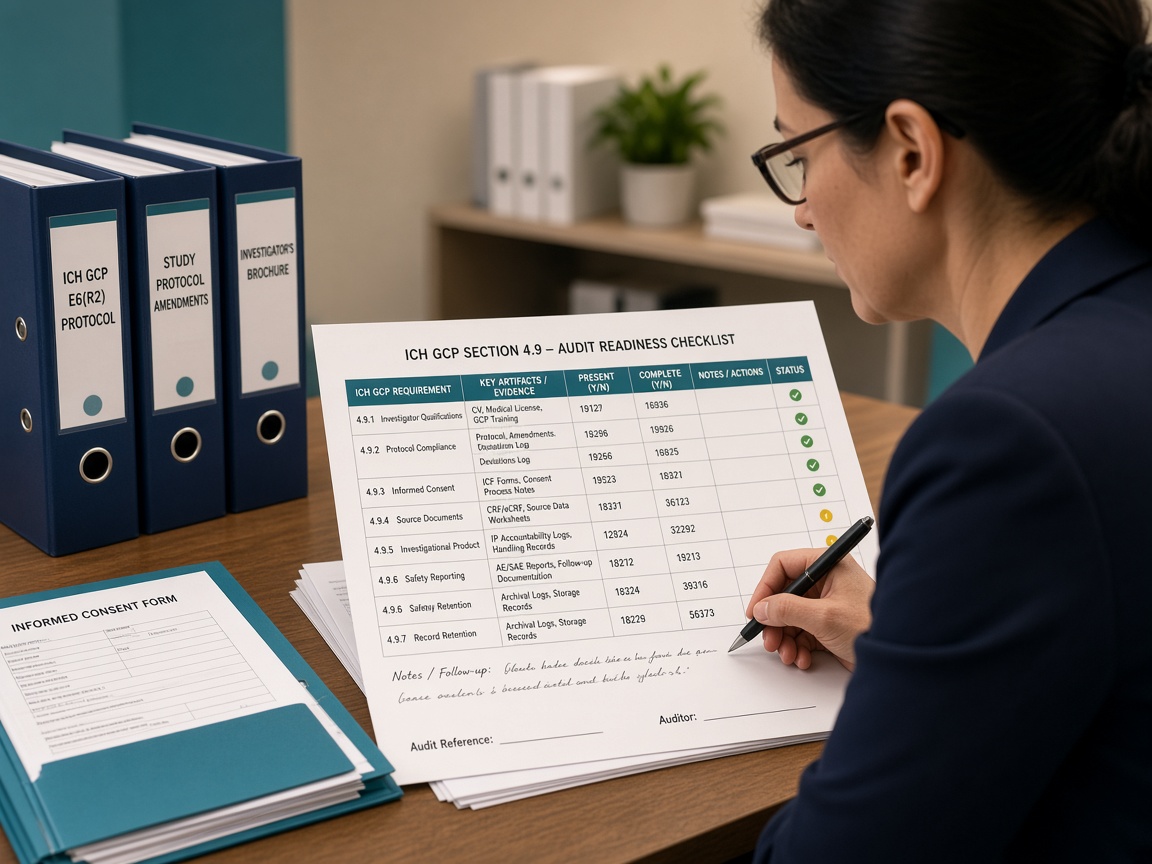
Map ICH-GCP, protocol, and SOP requirements to actual TMF, monitoring, and quality evidence — then close gaps with a reviewed CAPA pack.
Learn more →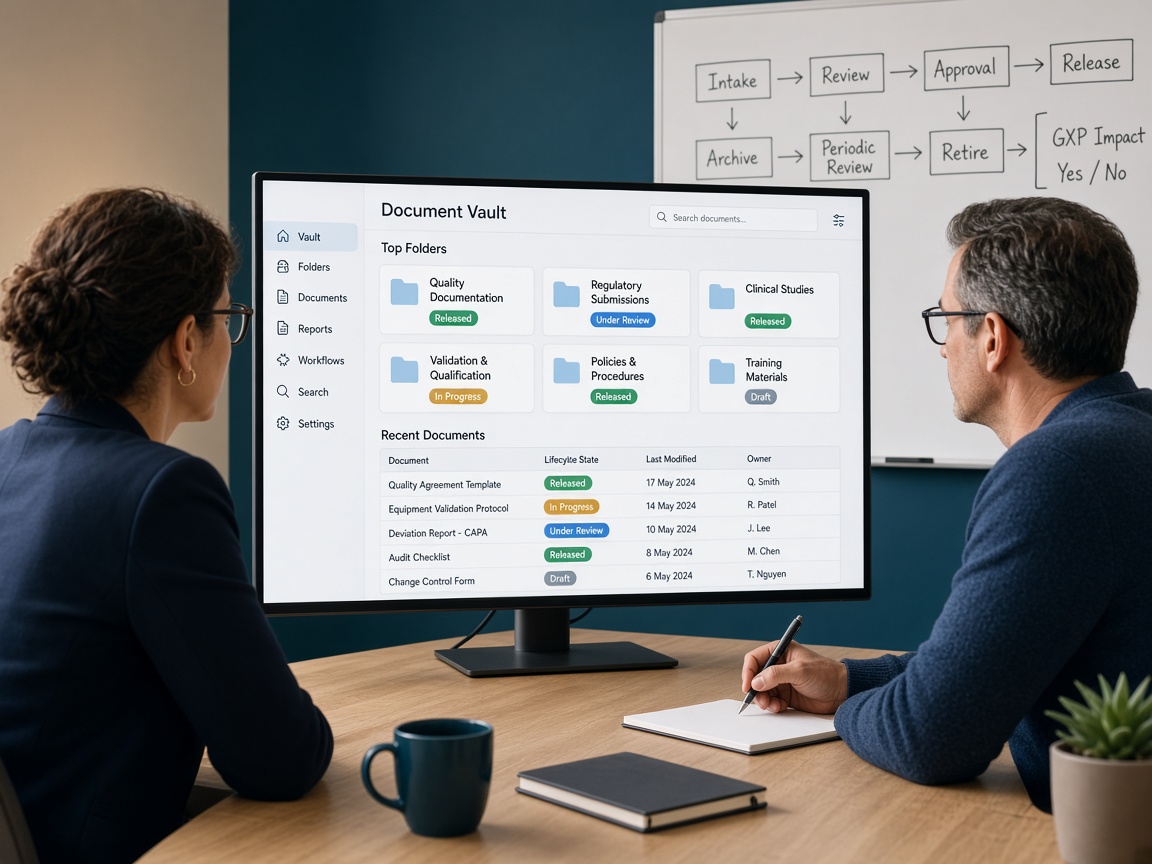
Run Vault after go-live: administration, releases, change control, and delta validation — with AI watching drift and tickets, and your system owner still approving production changes.
Learn more →
Apply GAMP 5 and FDA computer software assurance so testing follows patient-safety and data-integrity risk — not a copy-paste IQ/OQ/PQ for every screen.
Learn more →
Write SOPs, work instructions, forms, validation plans, and reports that match the process people actually run — AI first draft, owner and QA edit, document control publishes.
Learn more →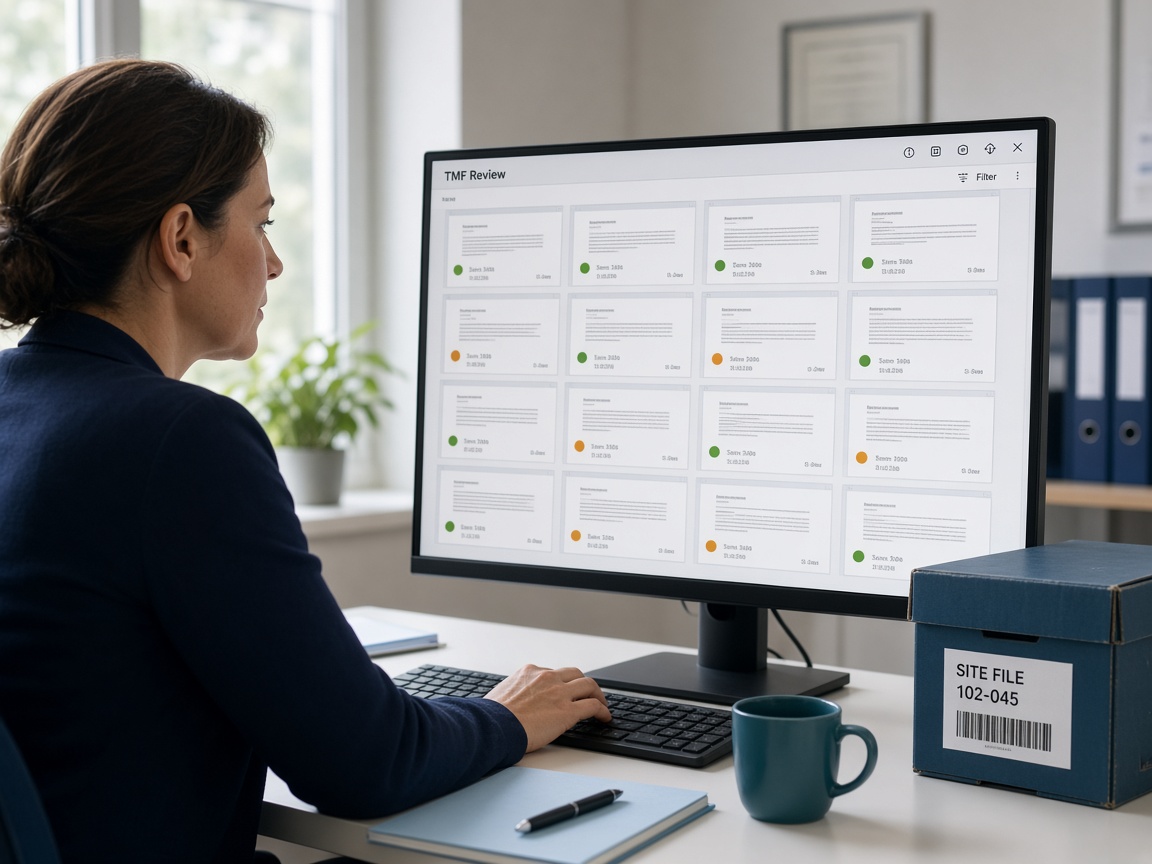
Reconcile the electronic TMF to the TMF plan and milestones — completeness, QC, and inspectability — with AI pre-checks and TMF specialists issuing the official metric.
Learn more →
Run a scored mock: narrative, war-room index, interviews, and a 30-day closeout plan — AI builds the pack; experienced reviewers run the room.
Learn more →