Services / GCP & audit readiness

GCP & audit readiness

GCP compliance and audit readiness

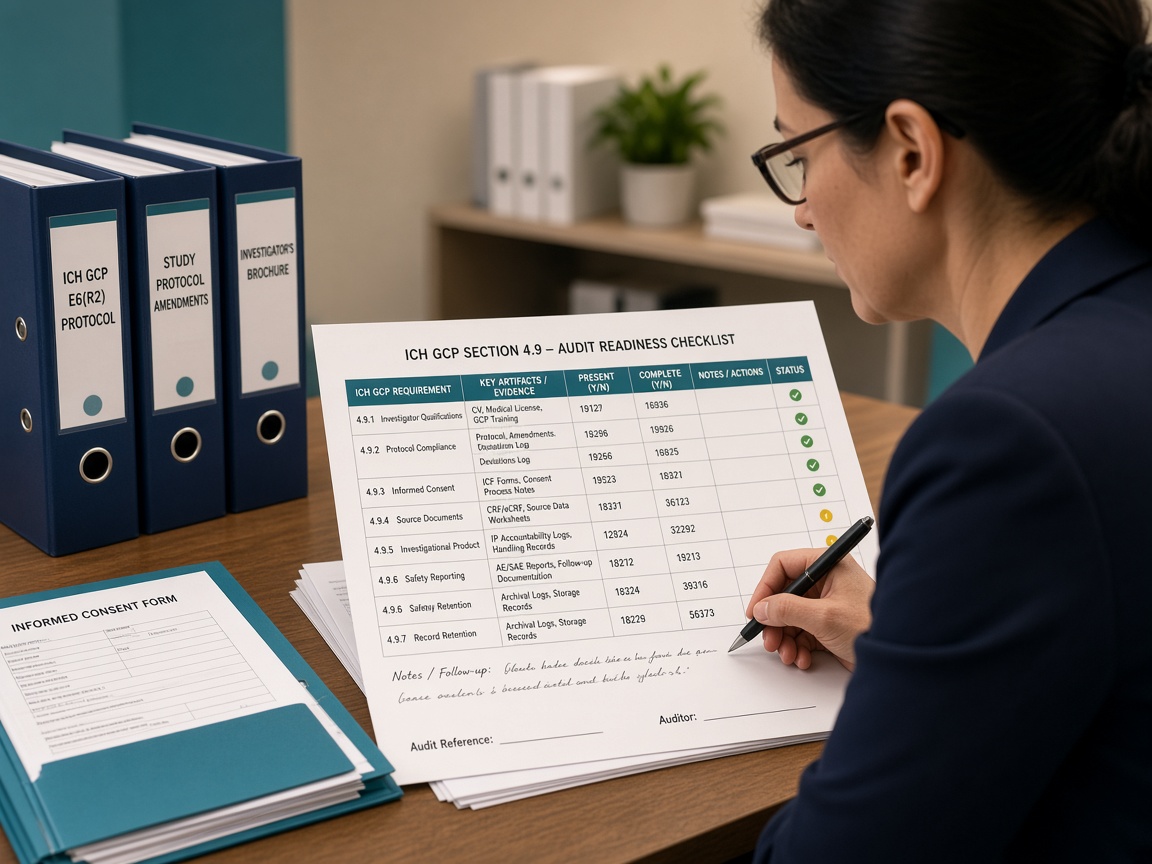
GCP audit readiness is not a slide deck. It is whether an auditor can follow a subject, a visit, a deviation, or a consent from the protocol to a filed artifact, and whether your quality system can explain what is missing. CliniGene uses AI to do the first pass of that mapping at scale. A GCP specialist then writes the official findings.

The problem this process is built for

Most teams do not fail GCP because they lack SOPs. They fail because evidence is incomplete, late, filed in the wrong place, or inconsistent with the protocol amendment that was in force on the visit date. Manual sampling finds some of that. It does not systematically walk every ICH-GCP E6 expectation against every required artifact for the trials you name.

Before an audit, QA is asked to “make sure we are ready” with a few weeks of calendar and a TMF that grew for years. The first questions an auditor asks — informed consent, investigator qualifications, protocol deviations, monitoring, investigational product, safety reporting — are predictable. The answers are scattered across eTMF, CTMS, EDC, safety, and email.

AI does not replace the quality unit. It makes the first reconciliation fast enough that specialists spend time on significance, CAPA, and the story you will tell in the front room.

What this has to survive

An auditor asks how you know consent, monitoring, and deviations match the protocol in force on the visit date. You should be able to open a clause row, point to the artifact, and explain gaps that are still open — with a person who signed the finding, not a model.
Standards we score against

  • ICH-GCP E6(R2) and E6(R3) principles and sponsor/investigator duties
  • Protocol, IB, and amendments in force by visit date
  • Your GCP, monitoring, TMF, deviation, and training SOPs
  • 21 CFR 312 / 812 and applicable local requirements when in scope
  • ALCOA+ for records that support data integrity findings

Where teams get stuck

  • TMF completeness reported as a percentage with no clause-level evidence map
  • Monitoring reports filed, but follow-up actions not closed or not traceable
  • Consent versions not reconciled to amendment dates at site level
  • CAPAs closed on status, not on new evidence
  • Training matrices that do not match the people who actually touched the trial

Who it is for

Sponsor and CRO quality, clinical operations, study leads, and site-oversight teams preparing for a sponsor audit, CRO oversight review, or health-authority inspection.

What AI does — and does not do

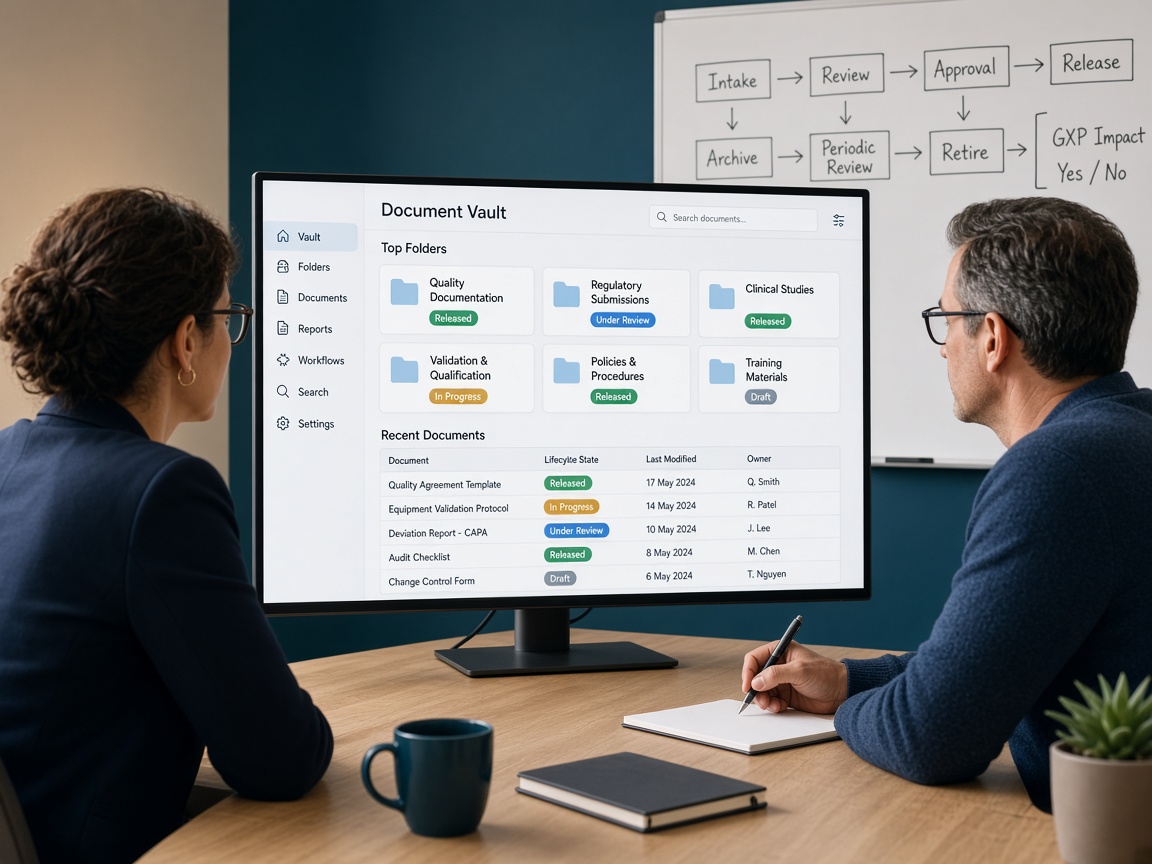
On GCP work, AI builds the first clause-to-artifact map, date-collision list, and CAPA draft language from the trial pack you name. A GCP specialist issues the official findings and classifications. AI drafts maps, flags, first-pass language, and punch lists. A named specialist accepts, edits, or dismisses every official finding. AI does not sign a quality record, approve a vendor, freeze Vault, or speak in an inspection.

Questions on fit? hello@clini-gene.com or the contact form.

When to start this process

Start 6–10 weeks before a planned sponsor audit or when TMF completeness is a percentage with no clause map. Also start after a for-cause event (consent, IP, SAE) when you need a systematic file, not a scramble.

Do not wait until the auditor’s agenda arrives. The useful product is a matrix you can close against, not a slide the week of.

What this is not

  • Writing a new protocol or IB
  • Acting as your quality unit or signing CAPAs in your QMS
  • Predicting inspection outcomes or “guaranteeing” zero findings
  • Unsupervised bulk-rewrite of TMF documents
AI in this process

How the model is used, layer by layer

Each layer has a human gate. AI does not write the official quality record.

Corpus control

We only index the trial(s), SOP set, and systems you name. The model is instructed to judge against those sources, not against generic internet GCP text. Out-of-scope studies are excluded so findings cannot be invented from another program.

Clause-to-artifact mapping

Each selected ICH-GCP clause and SOP requirement is paired with the TMF artifact type (or CTMS/EDC record) that would satisfy it. AI lists present, weak, missing, or wrong-version evidence and points to the expected zone/section in your TMF plan.

Temporal consistency

Consent, amendment, monitoring visit, and deviation dates are checked against each other. A common finding is a visit conducted under the previous protocol without a documented waiver — AI flags the date collision; a person decides if it is a true deviation.

Repeat-theme clustering

The same gap at many sites (late monitoring report, unsigned DoA, missing temperature log) is grouped so you fix the process, not only the file. Specialists set severity and whether it is systemic.

CAPA language, not CAPA decisions

AI drafts finding text, likely root-cause prompts, and suggested evidence to attach on close. QA assigns owner, due date, and classification. Nothing enters the official CAPA system until a person pastes and signs.

Want this process walked on your trial or system?

Send the study, Vault, vendor, or inspection window. We will say what we need and what a first pass looks like.

hello@clini-gene.com

End-to-end process

Step-by-step: from intake to re-check

  1. 1

    Define the audit question

    Agree which trial(s), which sites if any, which systems (eTMF, CTMS, EDC, safety, IRT), and whether this is a sponsor audit, CRO oversight, for-cause, or inspection prep. Write what “ready” means in one paragraph so the AI is not given a wandering brief.

  2. 2

    Collect the controlled pack

    Protocol family, TMF plan and index, SOP list with effective dates, monitoring plan, CAPA log, and exports you can legally share. We work in a restricted workspace. We do not use your files to train public models.

  3. 3

    Build the requirement library

    AI extracts enforceable requirements from ICH-GCP and your SOPs (not guidance fluff). The specialist edits the library — this is the checklist the rest of the work is scored against.

  4. 4

    Map evidence

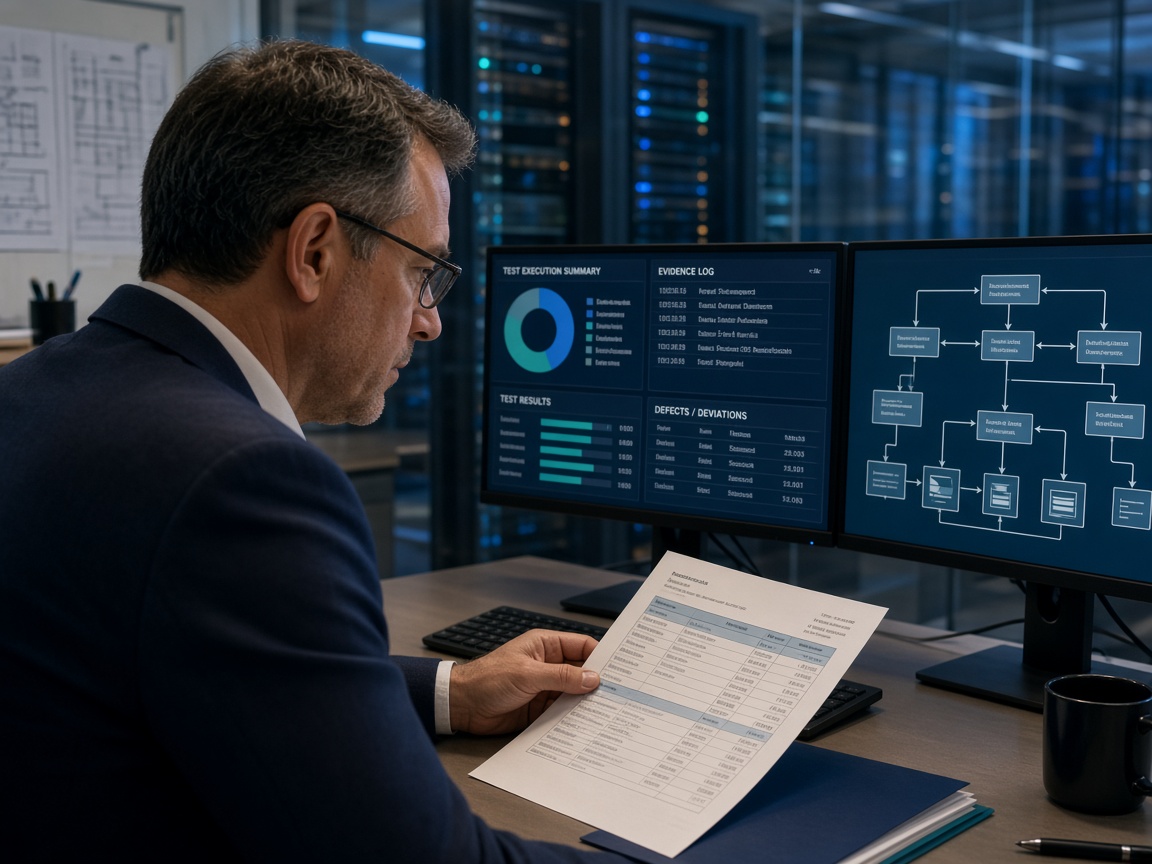
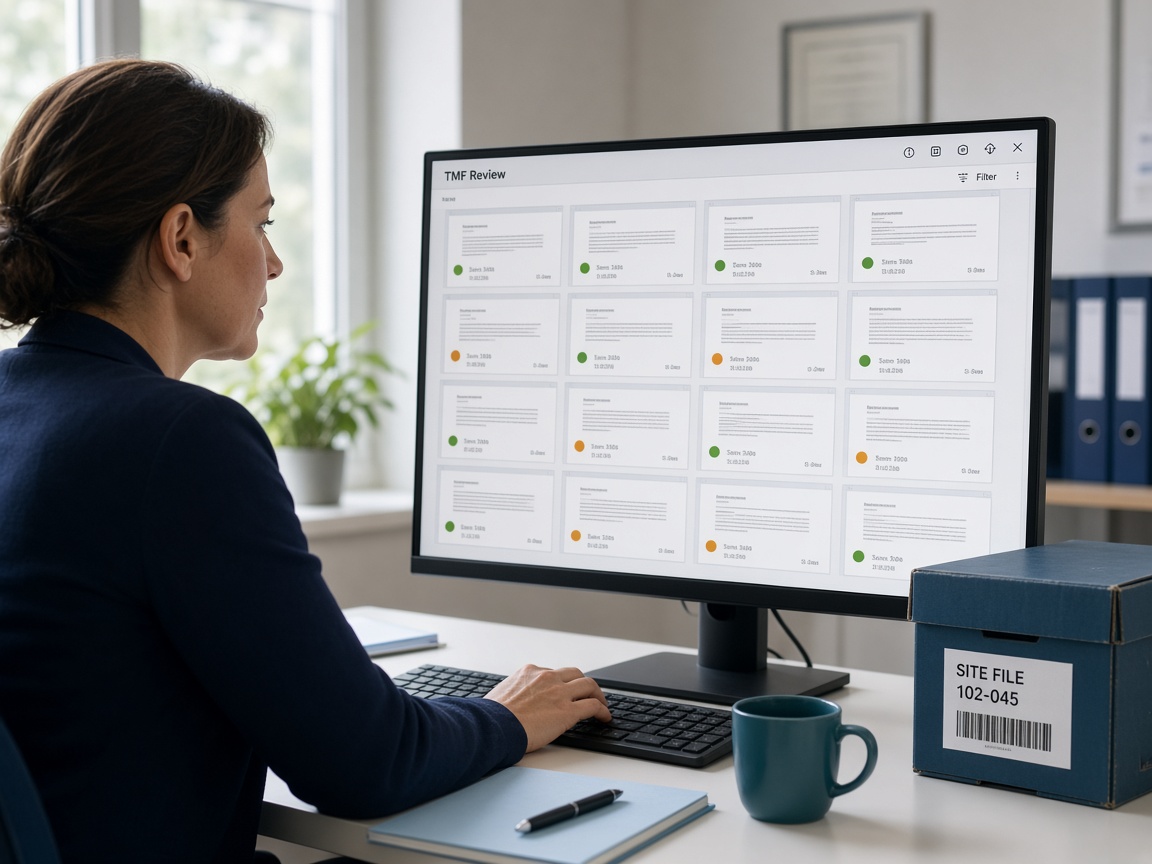
    Inventory extract vs. requirement library. Each row is present / weak / missing / not applicable, with a pointer. Weak means the artifact exists but is unsigned, wrong version, or does not cover the date range.

  5. 5

    Specialist review

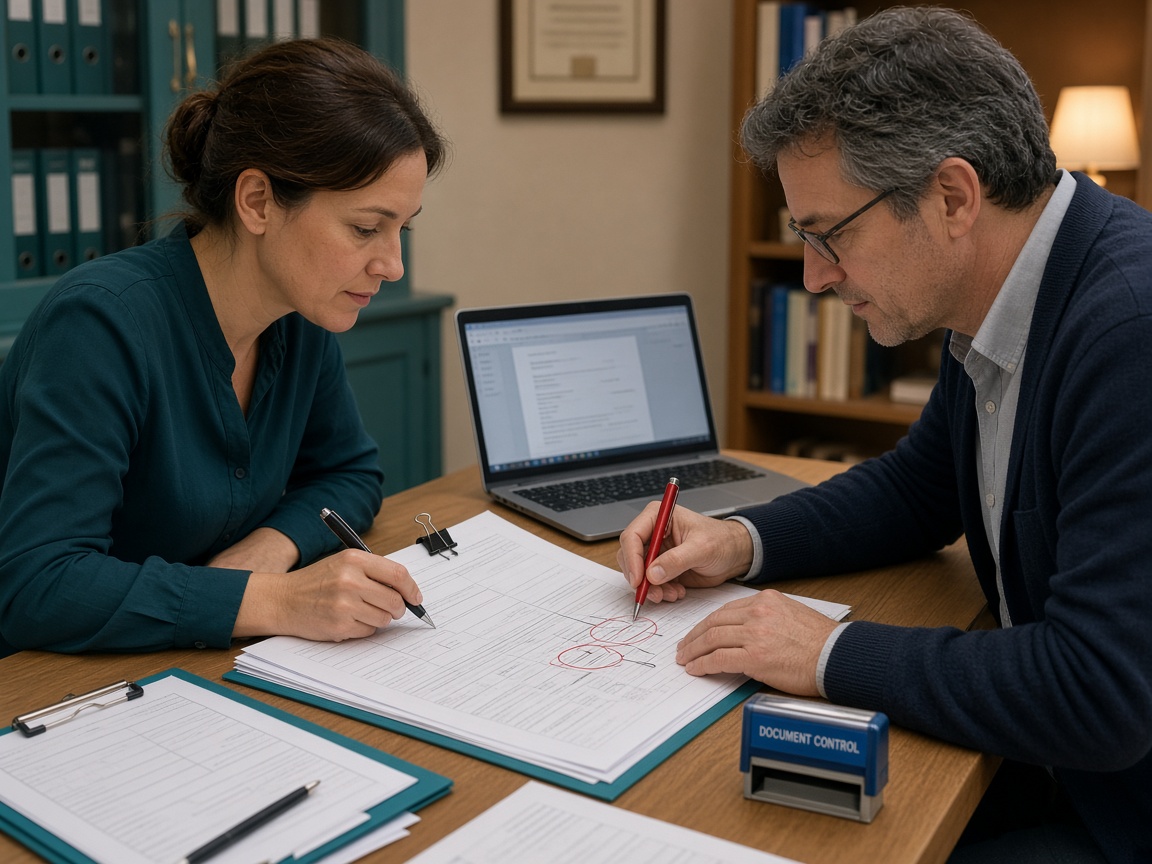
    Every AI-suggested finding is accepted, merged, rewritten, or dismissed. Dismissals are kept so you can show an inspector the machine was not the decision-maker.

  6. 6

    Risk rank

    Patient safety, data integrity, and inspection visibility. High-visibility items (consent, IP, SAE reporting, investigator oversight) are called out even when the TMF “completeness %” looks fine.

  7. 7

    Issue the audit-readiness pack

    Clause-to-evidence matrix, finding register with reviewer name, CAPA drafts, and a briefing: the ten questions an auditor will ask first and where the answer lives.

  8. 8

    Re-check on close

    When you upload the new artifact, AI re-runs only those rows. Closed means new evidence, not a status flip.

What a typical engagement looks like

Setting. Typical: one Phase 2/3 study, 20–40 sites, eTMF + CTMS export, 4–6 weeks to a planned sponsor audit.

What we do. AI maps GCP clauses and the TMF plan to the inventory, flags consent/amendment date collisions and open monitoring actions, and clusters site-repeat issues. QA confirms findings and issues a CAPA register plus a one-day briefing book.

What you can show. You walk into the audit with a clause-level map and evidence for what was closed — not a slide that says “TMF 94% complete.”

Time

A single-study readiness pass is usually 3–6 weeks depending on export quality and how many sites you include. A platform-level GCP system review (SOPs + several studies) is scoped as a separate program.

How a typical calendar runs

  1. Week 0. Scope: trials, sites, systems, what “ready” means. NDA / restricted workspace. Named QA reviewer.
  2. Week 1. Controlled pack in. Requirement library extracted from ICH-GCP + your SOPs. Specialist edits the library.
  3. Week 2–3. Evidence map. Present / weak / missing / NA rows. Date collisions and repeat-site themes listed.
  4. Week 3–4. Human review of every suggested finding. Dismissals kept. Risk rank (safety, integrity, visibility).
  5. Week 4–6. Audit-readiness pack issued. CAPA drafts. Re-check only the rows you close with new evidence.

What we need from you

  • Protocol, IB, and amendments with effective dates
  • TMF plan, index, and inventory export
  • Monitoring plan and recent MVRs / follow-up letters
  • Deviation, CAPA, and training logs
  • List of in-scope systems and who can pull exports

You receive

  • GCP clause-to-evidence matrix for the scoped trial(s)
  • Risk-ranked finding register with named reviewer sign-off
  • CAPA draft language, suggested owners, and re-check rows
  • Audit-readiness briefing: first questions and artifact paths

Questions we hear first

Will AI write our official audit report?
No. AI drafts maps and suggested findings. Your QA reviewer (or ours under your procedure) issues the official text and classification.
Do you need production eTMF access?
An inventory export plus samples is enough to start. Direct Vault or eTMF access is optional and only under your access-control SOP.
Can this replace a mock inspection?
It feeds one. Inspection-readiness uses this map in the war room. They are different services.
What does a clause-to-evidence row look like?
Requirement text, source (ICH-GCP clause or SOP ID), expected artifact type and TMF location, status (present / weak / missing / NA), pointer, reviewer name, and whether a CAPA was opened.
How do you handle blinded or restricted documents?
We stay inside the access you grant. Restricted artifacts are marked “not in pack — owner to confirm” rather than guessed.
Can you work only from a TMF export without SOP PDFs?
We can start, but the requirement library will be thin and findings will over-rely on ICH-GCP generic text. Your SOPs are what an auditor will also read.

Start with GCP compliance and audit readiness

Email hello@clini-gene.com or use the form. Mention GCP compliance and audit readiness so we route it correctly.

hello@clini-gene.com

Talk with us about GCP compliance and audit readiness

Email hello@clini-gene.com or send this form. The process is already selected.

Tell us the trial, Vault, vendor, or inspection date and what “done” looks like.

Send a message

Email hello@clini-gene.com if you prefer not to use the form.

See Privacy. We reply with how we can help and what we need next.

Veeva managed services

Run Vault after go-live: administration, releases, change control, and delta validation — with AI watching drift and tickets, and your system owner still approving production changes.

Learn more →

CSV and CSA

Apply GAMP 5 and FDA computer software assurance so testing follows patient-safety and data-integrity risk — not a copy-paste IQ/OQ/PQ for every screen.

Learn more →

eTMF quality review

Reconcile the electronic TMF to the TMF plan and milestones — completeness, QC, and inspectability — with AI pre-checks and TMF specialists issuing the official metric.

Learn more →