Narrative harvest
Protocol deviations, safety summaries you provide, CAPA log, previous findings → draft “what they will want explained first.” Specialists edit tone and cut speculation.
Services / Inspection readiness
Inspection readinessInspection readiness is whether people and documents tell the same story under time pressure. CliniGene assembles the narrative and the war-room index with AI, then runs mock front-room / back-room drills. Findings are written by reviewers who have sat in those rooms. We do not invent a regulatory opinion or predict a 483.
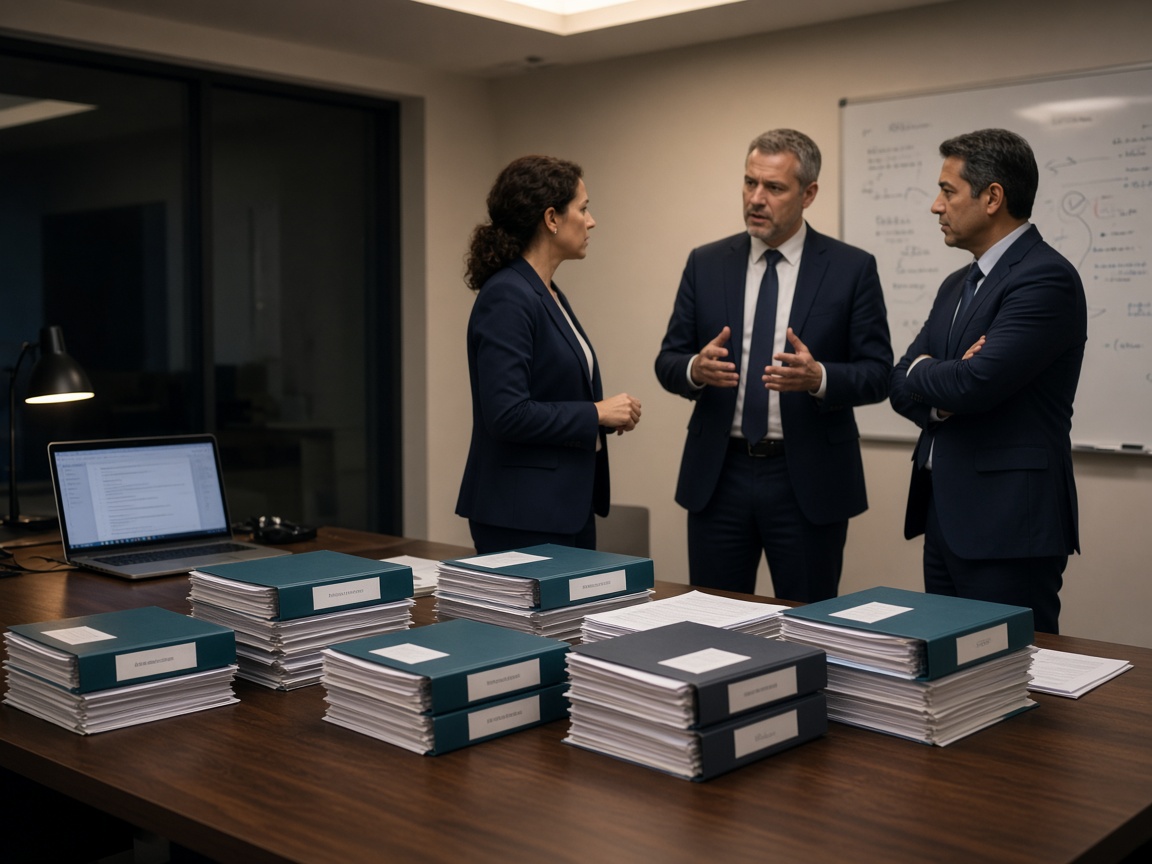
Teams prepare binders that nobody can retrieve in four minutes. SMEs give answers that contradict the TMF. The computer-system story (Part 11, audit trail, who can pull it) was never rehearsed. Previous commitments from a 483 or a sponsor audit are forgotten until the inspector opens with them.
A “readiness deck” without a war-room index and a mock is theater. The work is: what will they ask, where is the artifact, who speaks, what do we do when the artifact is weak.
AI is fast at compiling history (deviations, safety themes, prior findings) into a draft narrative and pairing questions to paths. It must not be the voice in the front room.
The first hour is a story test: do leadership, the TMF, and the system demo agree? Readiness means a retrieval path and a person who has been interrupted mid-answer — not a binder nobody can find.
Quality, clinical, regulatory, site, and system owners facing FDA, EMA, MHRA, or sponsor inspection — notified, for-cause, or an annual readiness cycle.
On inspection work, AI compiles a draft narrative, question-to-path map, and commitment tracker from the packs you provide. Experienced reviewers run the mock and write findings. AI is not the voice in the front room. AI drafts maps, flags, first-pass language, and punch lists. A named specialist accepts, edits, or dismisses every official finding. AI does not sign a quality record, approve a vendor, freeze Vault, or speak in an inspection.
Questions on fit? hello@clini-gene.com or the contact form.
Start 6–10 weeks before a plausible notification for a study/sponsor mock; earlier for PAI-style site-plus-systems. If the letter already arrived, we still run a compressed war-room index and retrieval drill — we will be honest about what will not close in time.
If GCP maps, eTMF QC, CSV/CSA, or vendor files are too thin, we will say the mock will expose that and recommend those services in parallel.
Each layer has a human gate. AI does not write the official quality record.
Protocol deviations, safety summaries you provide, CAPA log, previous findings → draft “what they will want explained first.” Specialists edit tone and cut speculation.
Likely questions paired with TMF ID, SOP number, VP/report, or system screen. Missing path = readiness gap.
Prior 483 / audit items vs. current evidence. Still open is a finding before the inspector arrives.
Optional transcription and theme tags after the mock. Scoring of answers is human.
Day-by-day list for 30 days: who files what. AI can keep the list; owners are named by you.
Send the study, Vault, vendor, or inspection window. We will say what we need and what a first pass looks like.
Authority, scope (study, site, sponsor system, vendor), dates, and known history. Write what “ready” means for this event.
AI draft + specialist edit. This becomes the briefing the leadership team shares — one story.
Every likely question → artifact path. Gaps become the punch list (and often feed eTMF review and GCP mapping).
Who sits where, who scribes, how a document is requested, how an audit trail is pulled, who says “we will get that.”
Front room / back room. We interrupt, ask for the document, and compare the spoken answer to the file. Contradictions are findings.
For PAI or computer-system scope: rooms, access, backup, clock sync, account provisioning. Gaps on the same register.
Readiness score by theme (consent, oversight, IP, safety, data integrity, systems, prior commitments). Briefing book the team can actually use.
Owned tasks. We can re-score the index after close. We do not claim you will have zero observations.
Setting. Typical: sponsor inspection possible in 6–10 weeks, one pivotal study, prior CRO audit with three open CAPAs, Vault eTMF, SaaS EDC.
What we do. Narrative + war-room index from TMF/QMS/validation, two-day mock, system-access drill, score, 30-day plan tied to eTMF punch list and GCP CAPAs.
What you can show. The team has one story, a retrieval path, and a list of what is still weak — before the letter arrives.
A focused study/sponsor mock is often 4–8 weeks including the drill. A full PAI-style readiness for a site plus systems is longer and should start before the notification, not after.
Email hello@clini-gene.com or use the form. Mention Inspection-readiness assessments so we route it correctly.
Email hello@clini-gene.com or send this form. The process is already selected.
Tell us the trial, Vault, vendor, or inspection date and what “done” looks like.
Email hello@clini-gene.com if you prefer not to use the form.
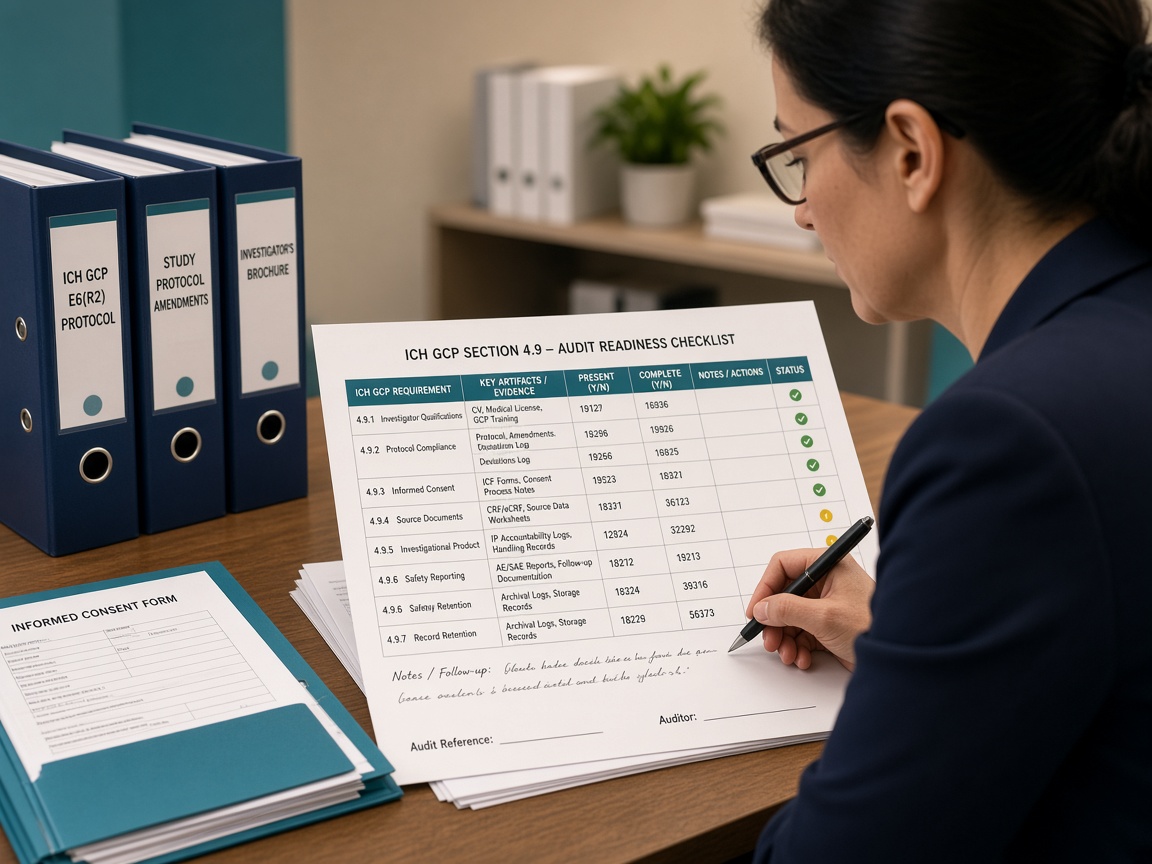
Map ICH-GCP, protocol, and SOP requirements to actual TMF, monitoring, and quality evidence — then close gaps with a reviewed CAPA pack.
Learn more →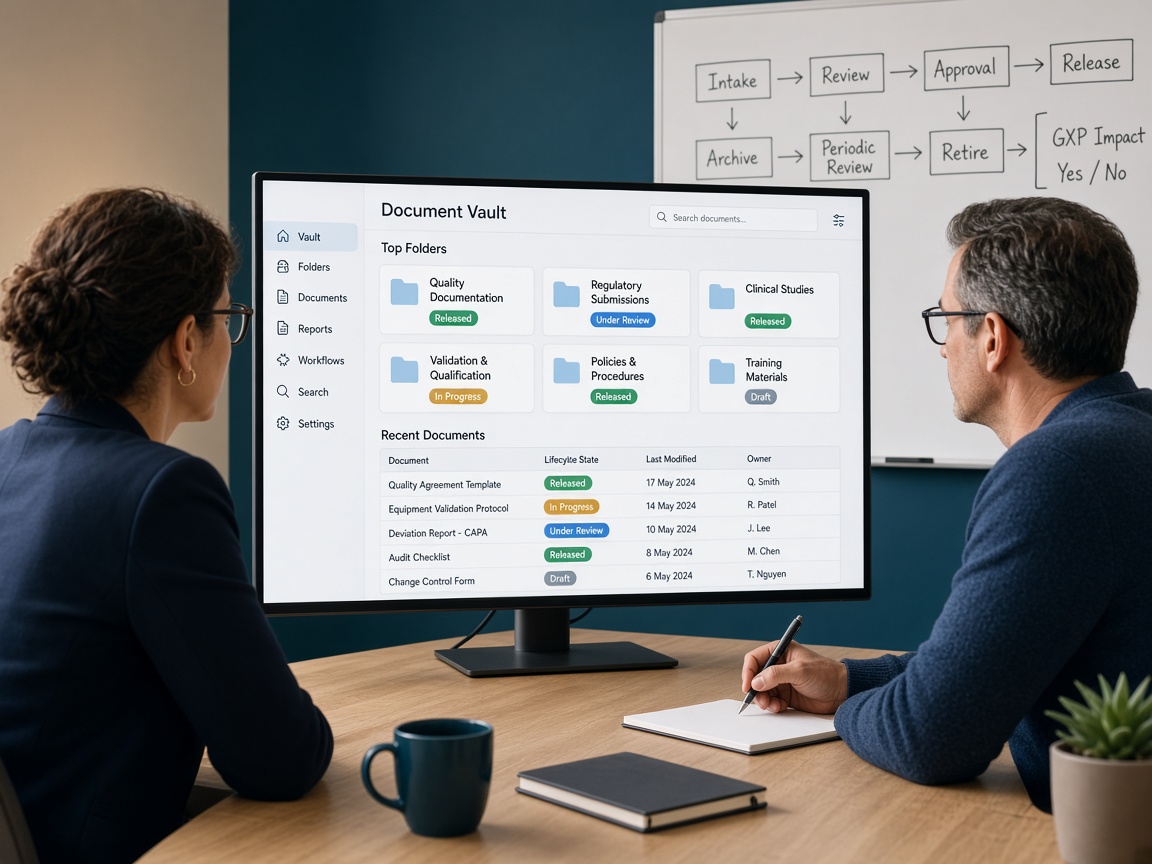
Run Vault after go-live: administration, releases, change control, and delta validation — with AI watching drift and tickets, and your system owner still approving production changes.
Learn more →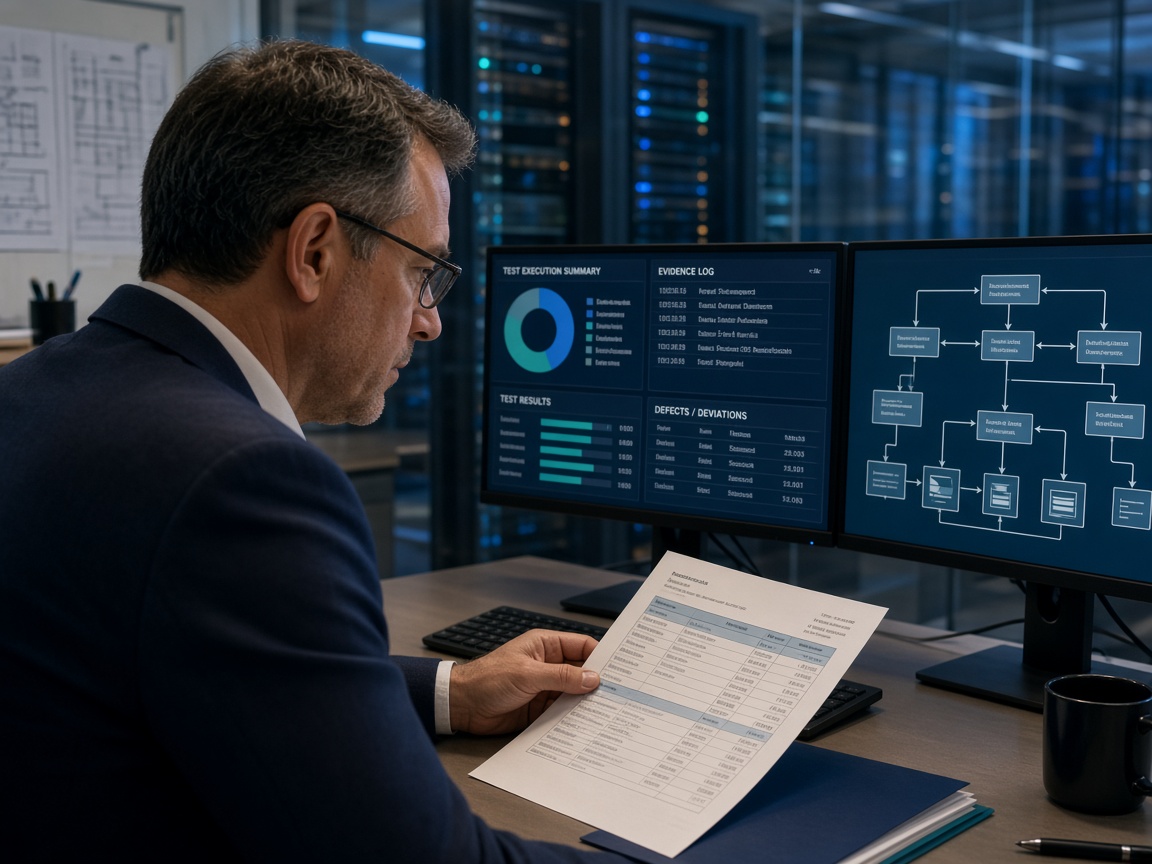
Apply GAMP 5 and FDA computer software assurance so testing follows patient-safety and data-integrity risk — not a copy-paste IQ/OQ/PQ for every screen.
Learn more →
Build and keep a risk-based qualification file for CROs, labs, IRT/EDC/eTMF vendors, and GxP cloud — AI compares answers to your SOP; QA decides approve or reject.
Learn more →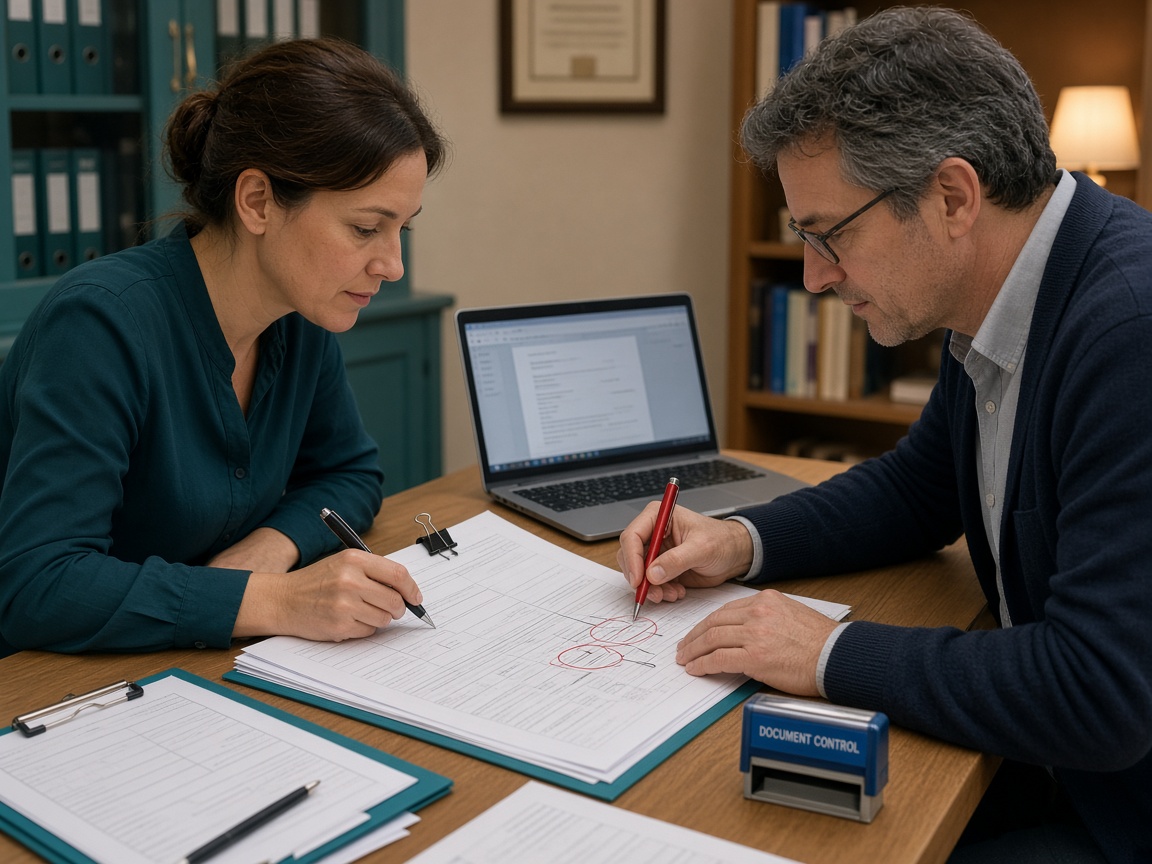
Write SOPs, work instructions, forms, validation plans, and reports that match the process people actually run — AI first draft, owner and QA edit, document control publishes.
Learn more →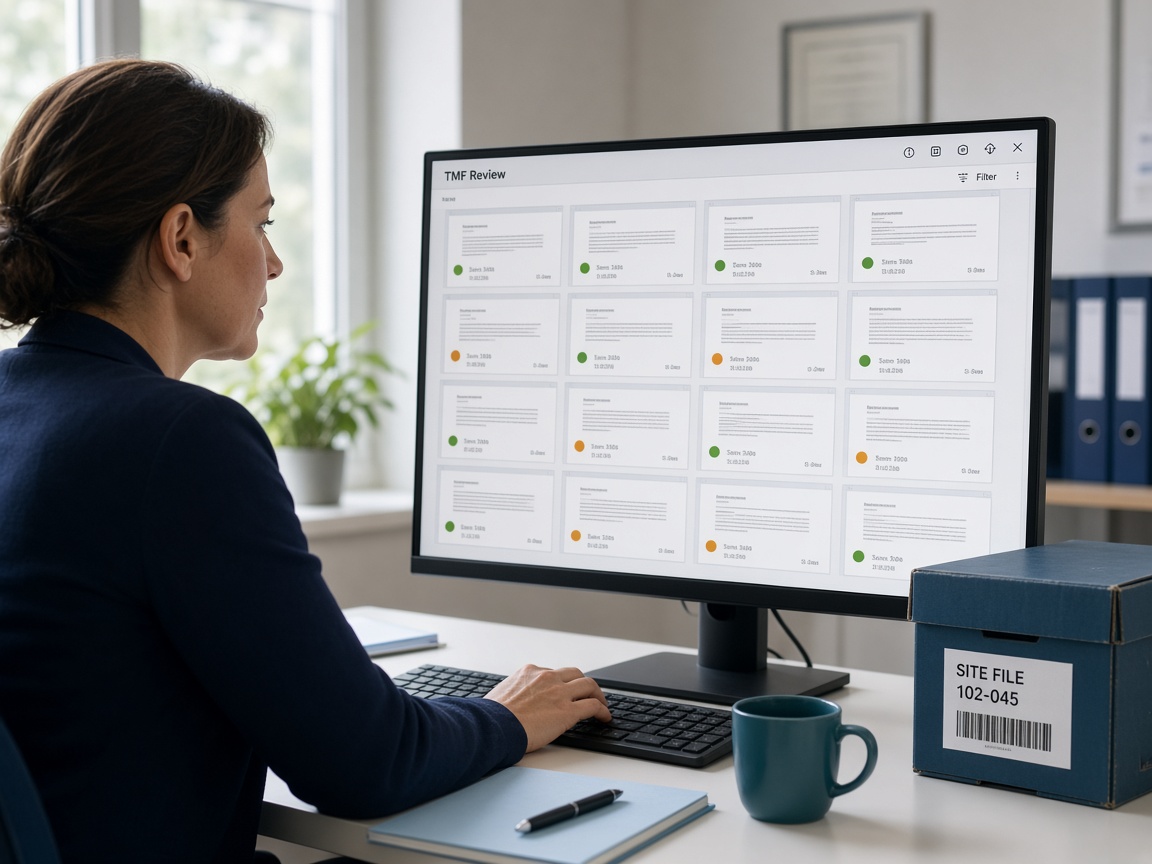
Reconcile the electronic TMF to the TMF plan and milestones — completeness, QC, and inspectability — with AI pre-checks and TMF specialists issuing the official metric.
Learn more →